News & Insights

Lorem Ipsum has been the industry’s standard dummy text ever since the 1500s
7
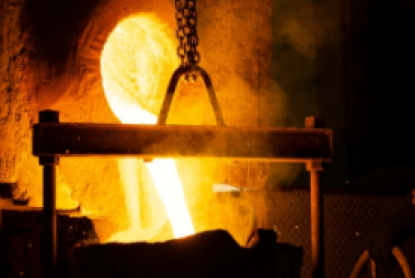
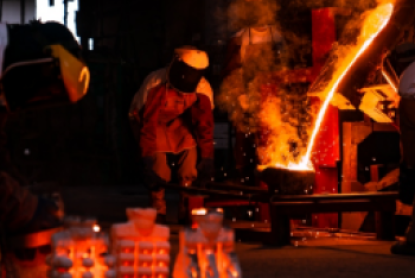
The casting process is carried out using a Double Track Single Power (Inductotherm) induction furnace at a certain temperature. With a capacity of 250 kg, to control the material composition before the pouring process through a spectrometer machine.
Macining
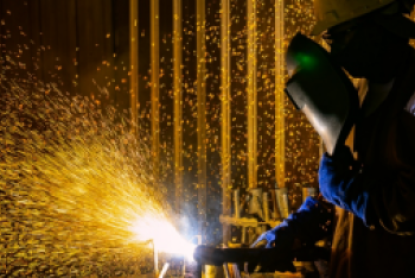
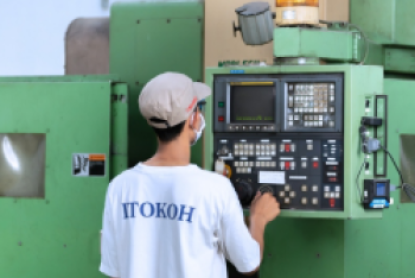
Using manual machines (lathe, milling, grinding, drilling) and CNC machines programmed to accurately cut/shape materials.
6
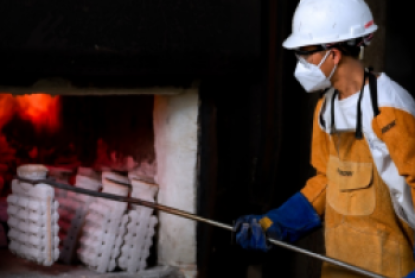
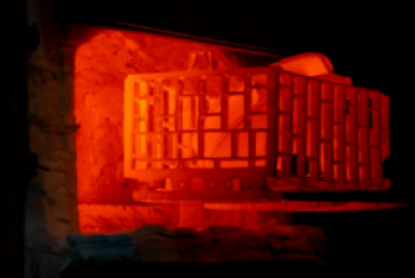
The firing process of ceramic molds aims to remove excess wax and refine the map before pouring liquid material is carried out.
heat treament
Normalization of castings is applied to improve material characteristics, including an increase in hardness, strength, and microstructure values.
5
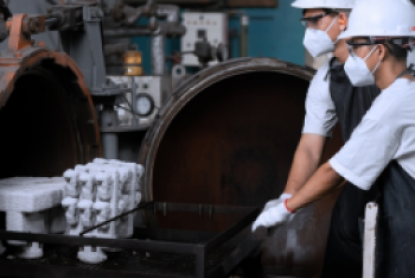
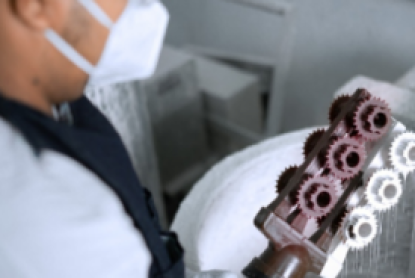
The separation of wax from ceramic shells is carried out with a steam autoclave steam-dewaxing machine.
finishing
Apply shot blast technology to clean mould sand impurities and produce surface roughness profiles on casting products.
4
Ceramic shell making is done by dipping the wax assembly into a high-quality ceramic slurry.
pouring
Pouring process is done using induction furnace Double Track Single Power (Inductotherm) at a certain temperature. With a capacity of 300 charges, to control the material composition before the pouring process through a spectrometer machine.
3
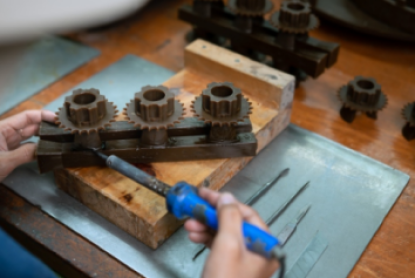
The assembly of the wax relic on the runner resulted in a tree-like structure ready to be coated with ceramic.
molding
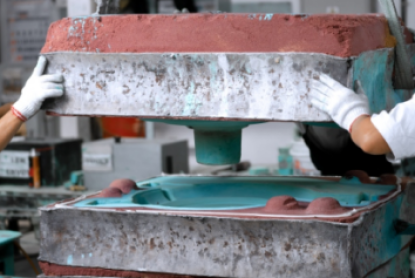
The silica sand molding process uses advanced technology with a water glass/furan resin binder.